From Draft NOtices, October-December 2021
Ethnic Studies: Take One
— Isidro Ortiz, PHD
The late 1960s and early ‘70s witnessed widespread calls for ethnic studies in higher education. Across the country, these calls translated into the establishment of ethnic studies departments and programs, such as the Department of Chicana and Chicano Studies at San Diego State University. Like other units of its kind, this department has served as a vehicle for unprecedented instruction, pathbreaking scholarship, and community engagement. Its institutionalization promoted the democratization of higher education.
Almost 50 years after the movement for ethnic studies in higher education emerged, one of the most significant developments in educational circles has been the rise of a movement for ethnic studies in K-12 schools. The movement has encompassed educators, students, and members of the community at large. It has reflected the ethnic and racial diversity of today’s schools and promises to continue to bridge the boundaries that have existed among communities.
 The most immediate danger of expanding draft registration to women is not, as some people think, an increased likelihood of a draft. The chance of that happening anytime in the near future continues to be remote. It wasn’t even on the table for serious government consideration after 9/11, or during the multiple U.S. troop deployments to the wars in Afghanistan and Iraq.
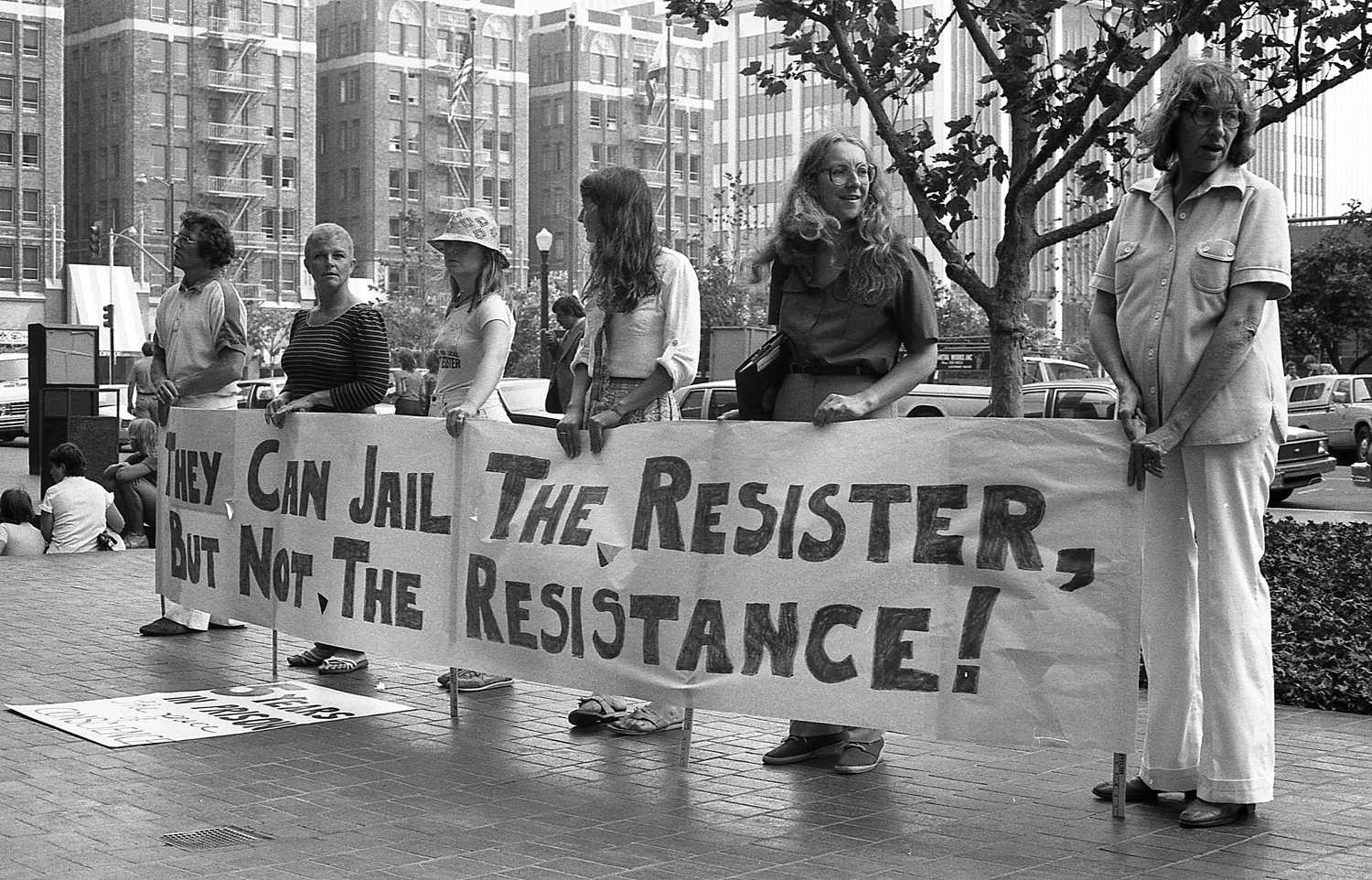 The Senate will pass its version of the NDAA later in 2021. It is expected that it will contain the same expansion of registration to women. After going to a joint conference committee to resolve any House vs. Senate differences, the bill will go to President Biden for his signature. One year after the enactment of the NDAA, Biden would be authorized to issue an order to begin the registration of women. It could come as early as December 2022.