- Branko Marcetic
- Articles Archive
- Hits: 2473
The Uvalde Massacre Exposed the Lies That Once Justified Police Militarization
From Draft NOtices, July-September 2022
— Branko Marcetic
 For years, the ever-increasing militarization of U.S. police forces has been cast by its defenders as an indispensable tool for dealing with large-scale violence and mass-casualty events. Since the Uvalde massacre last month, that rationale lies in tatters.
In November 2014, as Americans watched heavily armed and armored police bear down with tanks on unarmed, mostly black protesters in Ferguson, the House held a hearing on the militarization of U.S. law enforcement. Congress was starting to rethink the 1033 program that led police officers of the small city on the outskirts of St Louis to suddenly look like invading troops, while law enforcement representatives insisted on the need to keep that military equipment flowing.
“A principal function of the police is to respond to the public safety threats that face our communities,” said Jim Bueermann, president of the Police Foundation. “Adequate and updated equipment is a necessity to keep both officers and our citizens safe. . . . I urge you to consider the program’s local public safety benefits.”
The executive director of another police association, the National Tactical Officers Association, explicitly cited the 1999 Columbine shooting as the reason the program had to continue.
“Minutes and even seconds count in an active shooter situation,” he said. “Lives are at risk if immediate police actions do not occur quickly and effectively. No longer can police departments wait for specialized units to respond to active shooter incidents.”
The hearings didn’t come to much. Barack Obama signed a landmark but flawed executive order restricting the weapons transfers, which Donald Trump quickly rescinded. “Much of the equipment provided through the 1033 program is entirely defensive in nature . . . that protect officers in active shooter scenarios and other dangerous situations,” read Trump’s proposal.
 In June of this year (1994), the Committee Opposed to Militarism and the Draft (COMD) reached its 15th birthday. This may not seem like such a significant milestone when compared to the persistence of a national peace organization like the venerable War Resisters League (founded in 1923!). But, COMD's 15th year does take on special meaning when you consider the nature of the community in which we are based: San Diego is like a military weed patch; one that keeps on spreading even as the parasite is cut back in other places. Our military payroll is over $3 billion and our uniformed population is increasing with base closures. It is amazing that an anti-militarism group can sprout and persevere for so long in such a conservative climate.
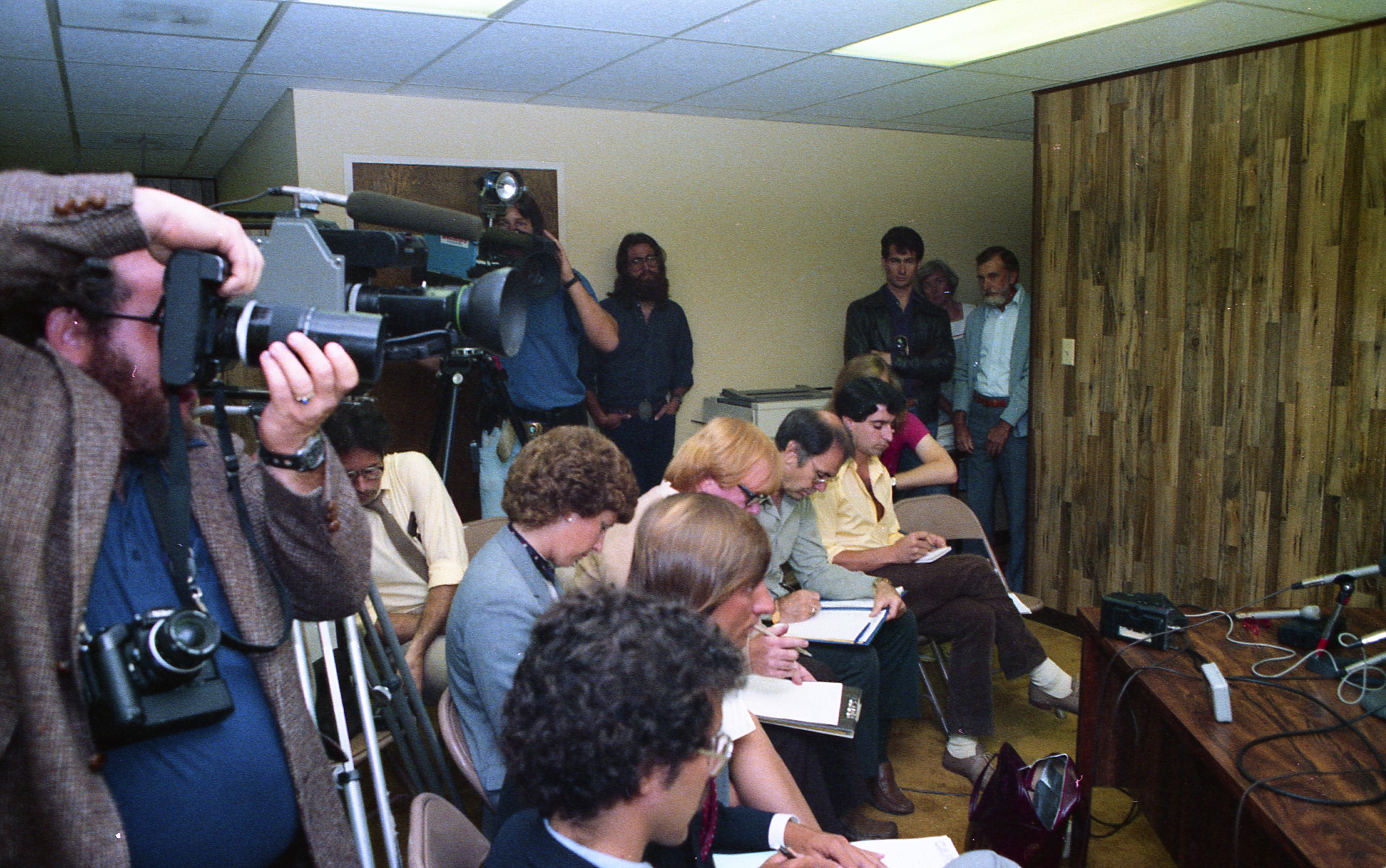 This summer will mark the 40th anniversary of an event that began a life-changing period for many members of activist communities around the country. It started with a phone call received by a young person in San Diego County on June 30, 1982, the results of which soon triggered a whirlwind of intense reactions around the U.S.