From Draft NOtices, April-June 2024
- Ana Yeli Ruiz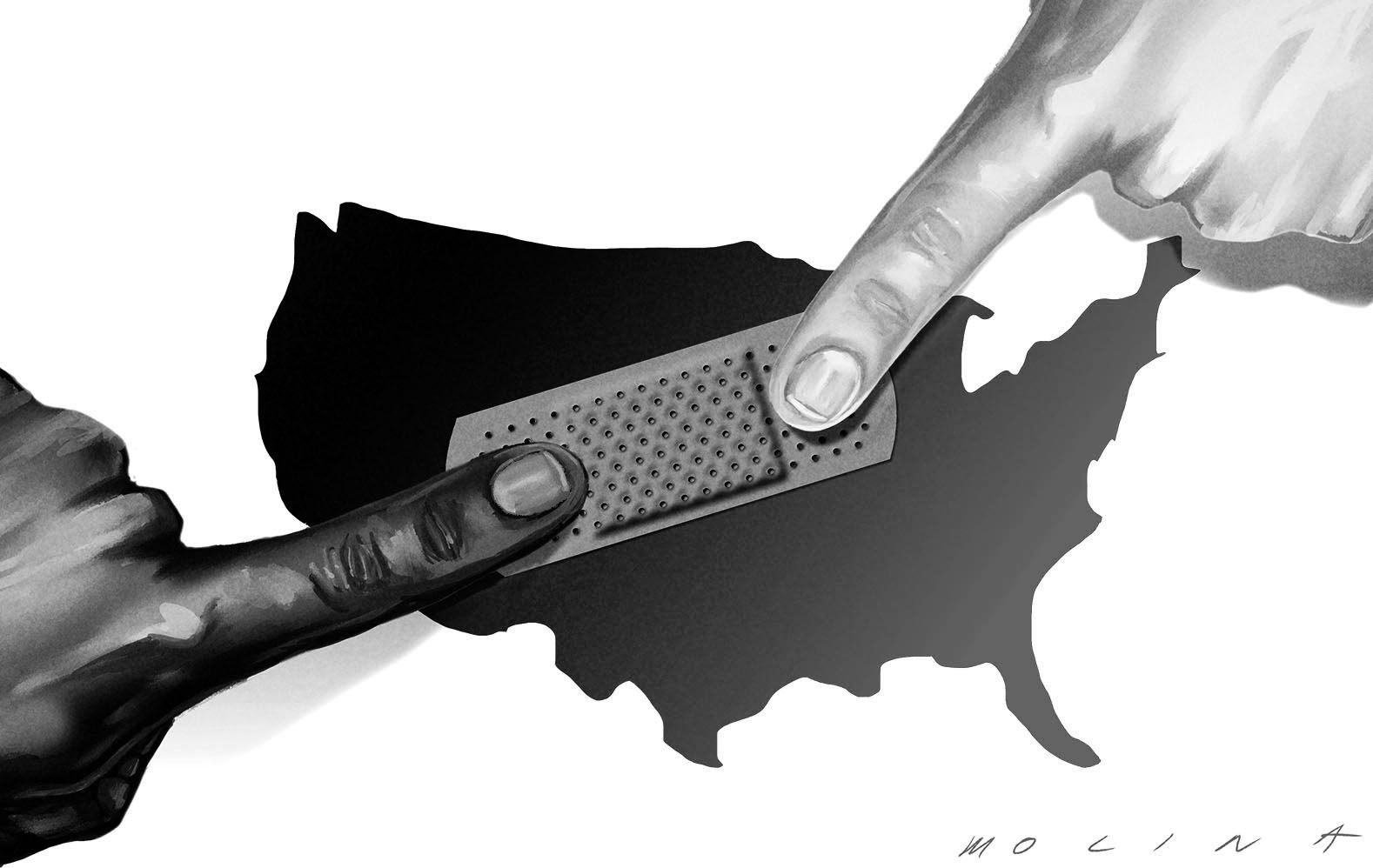
The timeless wisdom of Malcolm X's words, "The white man will try to satisfy us with symbolic victories rather than economic equity and real justice," remains relevant in today's context. Periodically, rather than enacting substantive legislation that could improve the lives of Black, Indigenous, and other working-class individuals, the ruling class tends to offer symbolic triumphs to create the illusion of progress.
For example, the year 2020 bore witness to an unprecedented groundswell of Black Lives Matter protests sweeping across the United States. These protests were ignited by the heart-wrenching killings of George Floyd and a tragically long list of other Black individuals at the hands of law enforcement. The voices of protesters reverberated with impassioned demands for police accountability and the dismantling of qualified police immunity. Yet, the policy changes ushered in by our political leaders have fallen short of adequately addressing these core issues. Instead, we have witnessed an inundation of symbolic gestures, such as the renaming of schools, streets, warships, and military bases, all in homage to civil rights icons and champions of social justice. One such gesture is the U.S. Navy’s recent announcement that it would name a new ship after abolitionist Harriet Tubman.